
TIAC: Advancing Sustainable Aquaculture in Kuwait
How sustainable aquaculture can strengthen food security, conserve water, and reduce dependency on imported seafood in Kuwait.
70%
Estimated fish supply imported into Kuwait
50%+
Freshwater-use reduction enabled by RAS
RAS
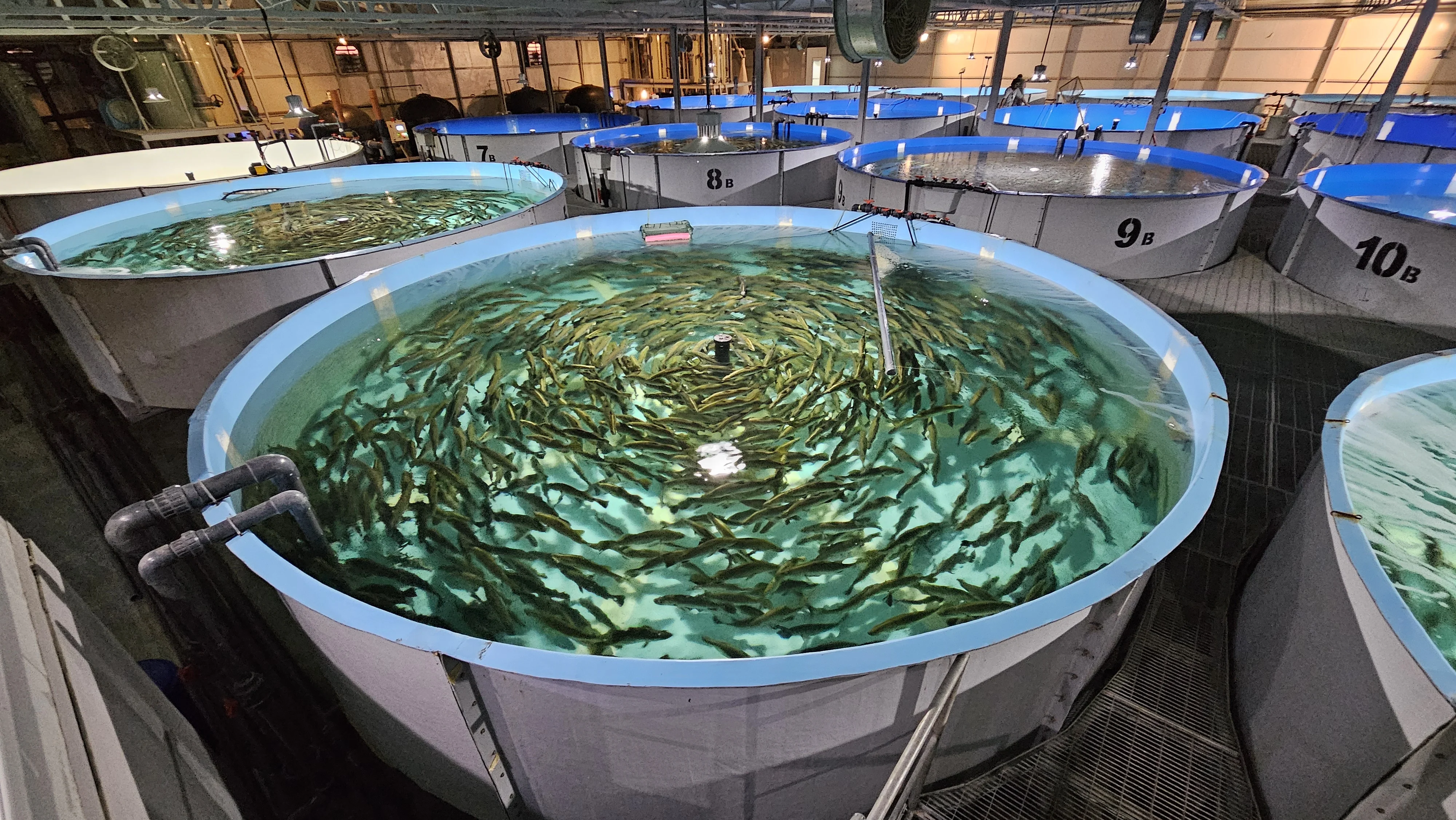
Controlled recirculating aquaculture system
Project Background
Market need and sector context
Client or Market Need
Kuwait heavily relies on imported seafood, with approximately 70% of its fish supply coming from abroad. This reliance is partially due to declining natural fish stocks in local waters, which face pressures from overfishing and environmental constraints. The Kuwaiti government has identified aquaculture as a strategic solution to reduce import dependency, stabilize seafood prices, and address national food security goals. The Blue Economy initiative and support from the Public Authority for Agricultural Affairs and Fish Resources reflect Kuwait's commitment to developing sustainable seafood production to fulfill increasing domestic demand.
Industry Context
Aquaculture in Kuwait has been growing, especially with technologies like Recirculating Aquaculture Systems, which are well suited to arid environments because they allow controlled and efficient water usage. Common farmed species include tilapia and sea bass, which have shown good adaptability in Kuwait's climate. Government support for feed and land leases also encourages local producers to scale operations. Although still small compared with traditional fishing, the local aquaculture sector has gained importance because of its potential to address food supply chain disruptions and support sustainable growth.
Challenges and Solutions
Practical constraints, targeted responses
Water Scarcity and Management
Issue: Kuwait's arid climate and limited freshwater resources make traditional fish farming challenging.
Solution: Recirculating Aquaculture System technology allows water reuse, minimizing pressure on groundwater reserves and making fish farming more feasible in desert conditions.
High Operating Costs
Issue: Importing fish feed and aquaculture technology increases costs significantly.
Solution: Support from the Public Authority for Agricultural Affairs and Fish Resources helps offset essential input costs, including fish feed.
Regulatory and Licensing Hurdles
Issue: Regulatory frameworks for aquaculture are still developing in Kuwait.
Solution: Public-sector coordination helps streamline licensing and allocate agricultural land for aquaculture ventures.
Climate and Environmental Constraints
Issue: High temperatures and seasonal variations can affect fish health.
Solution: Greenhouse structures and temperature-resistant species such as tilapia and sea bass help mitigate climate stress.
Market Competition and Limited Awareness
Issue: Local producers compete with cheaper imported seafood while consumer awareness remains limited.
Solution: Government-backed initiatives and targeted marketing to restaurants and health-conscious consumers support demand for local seafood.
Results and Impacts
Measurable progress with strategic value
Enhanced Resource Efficiency
TIAC's adoption of Recirculating Aquaculture System technology supports significant water conservation, reducing freshwater use by over 50% compared with traditional methods. Energy-efficient cooling and filtration systems also help minimize operating costs.
Positive Environmental Impact
Locally farmed fish reduce seafood import dependency and the associated carbon footprint. Optimized feed use and greenhouse structures help maintain more sustainable operations.
Strengthened Food Security
TIAC provides a steady, reliable source of fresh, locally grown fish, reducing vulnerability to global supply chain disruptions. Partnerships with local distributors and retailers support consistent seafood availability.
Economic and Market Contributions
TIAC supplies high-quality seafood to restaurants and retailers, expanding market share and promoting farm-to-table aquaculture. Client feedback emphasizes freshness and product quality.
Key Takeaways
TIAC's journey illustrates the feasibility and benefits of sustainable aquaculture in water-scarce regions. Its approach addresses Kuwait's environmental constraints while meeting market demand for fresh seafood, offering a blueprint for sustainable food production in challenging climates.